#Overview
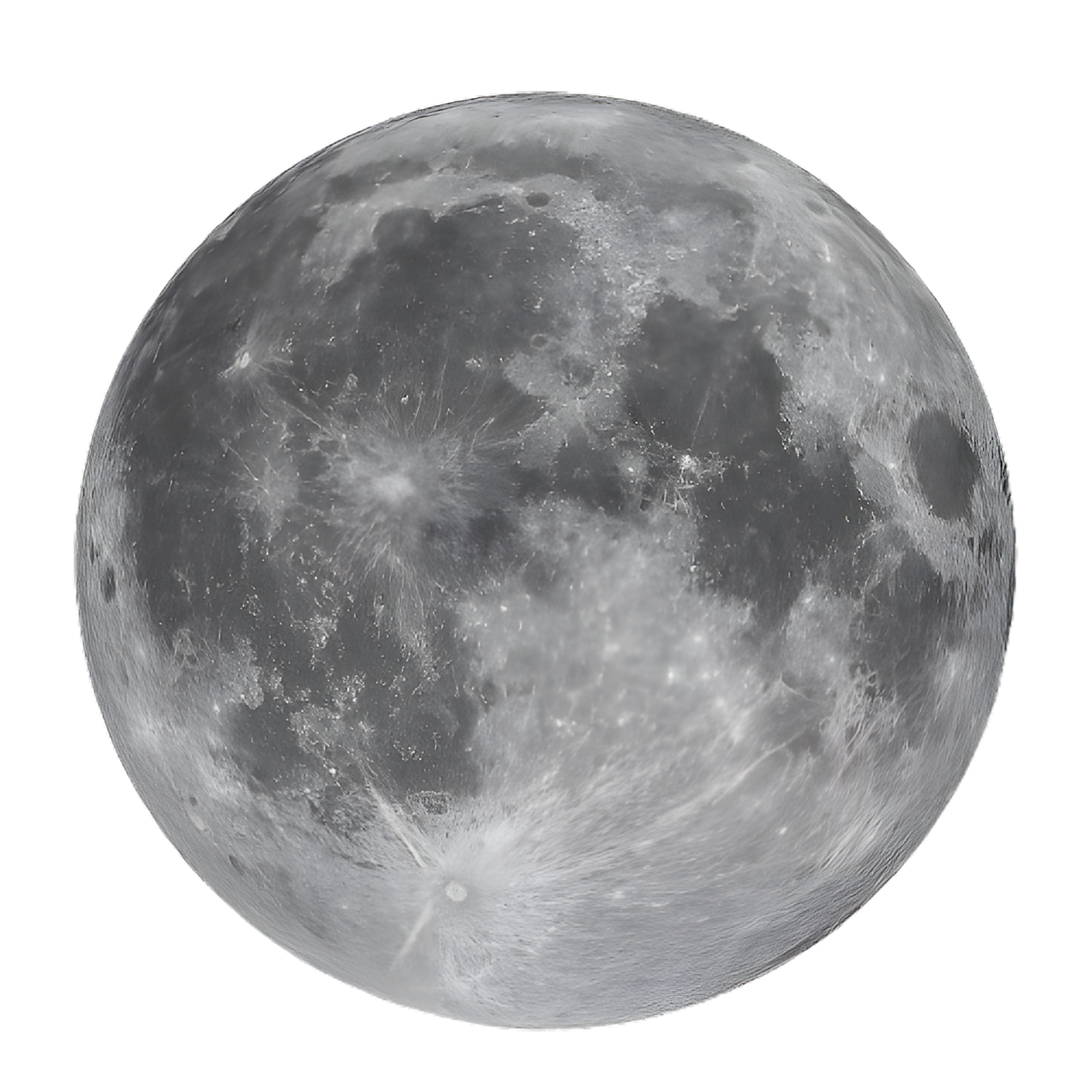
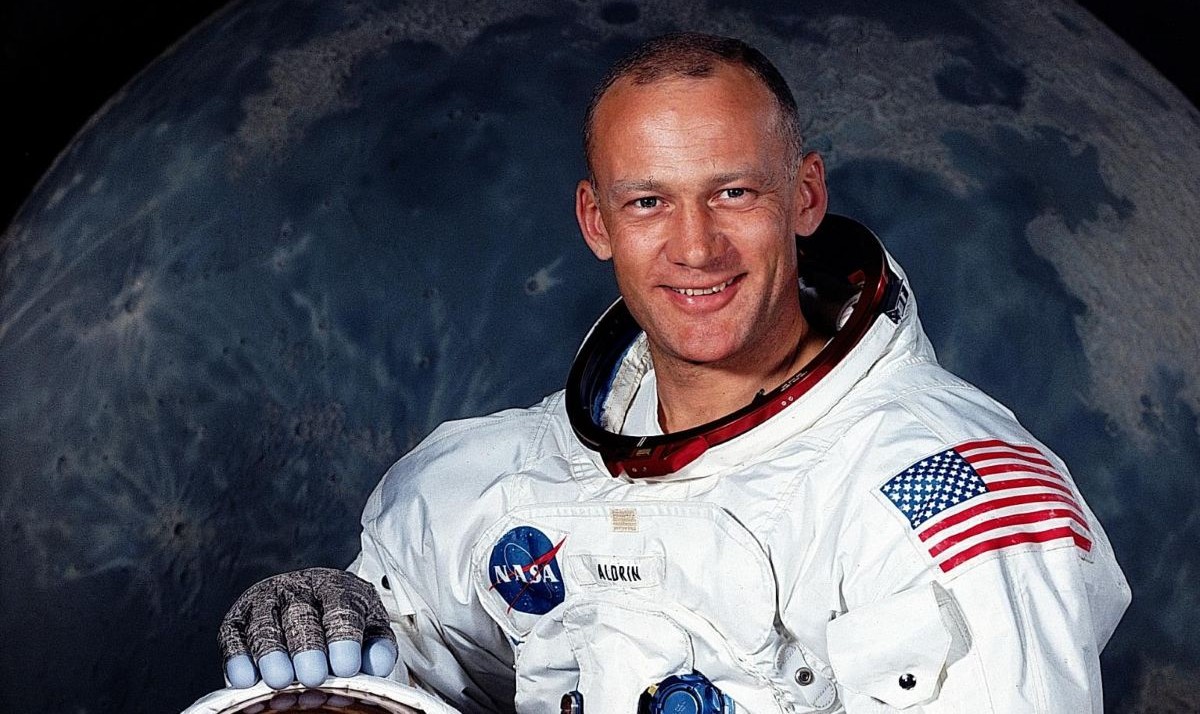
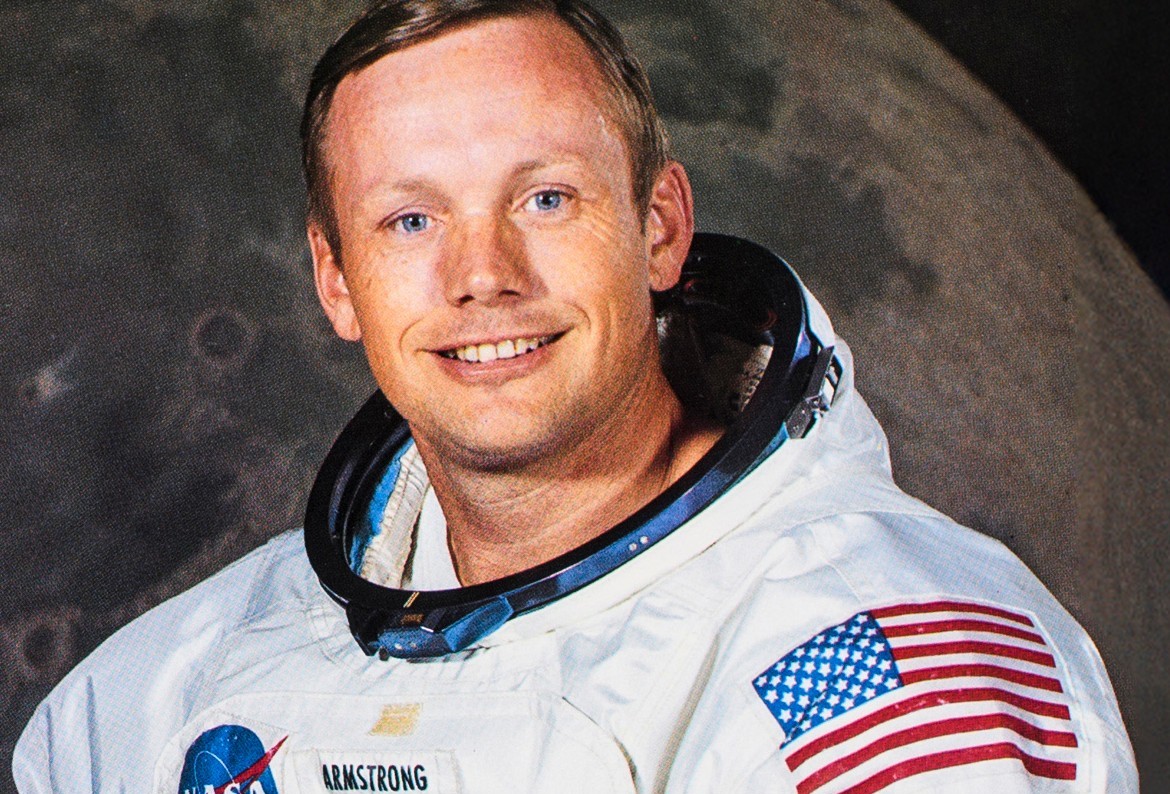
The Apollo 11 Moon Landing was the first mission to successfully land humans on the Moon. Launched on July 16, 1969, by NASA, it marked a historic achievement in space exploration and a major milestone in the Space Race. The mission carried three astronauts: Neil Armstrong, Buzz Aldrin, and Michael Collins. On July 20, Armstrong and Aldrin landed on the lunar surface while Collins remained in orbit around the Moon. As Armstrong stepped onto the surface, he delivered the famous words that would echo through history: “That’s one small step for man, one giant leap for mankind.” Apollo 11 demonstrated the power of human innovation, determination, and teamwork. It not only fulfilled a long-standing goal of reaching the Moon but also inspired generations to dream beyond Earth and explore the unknown.
384,400 km
Distance to the Moon
8 Days
Mission Duration
21 Hours
Time on the Moon
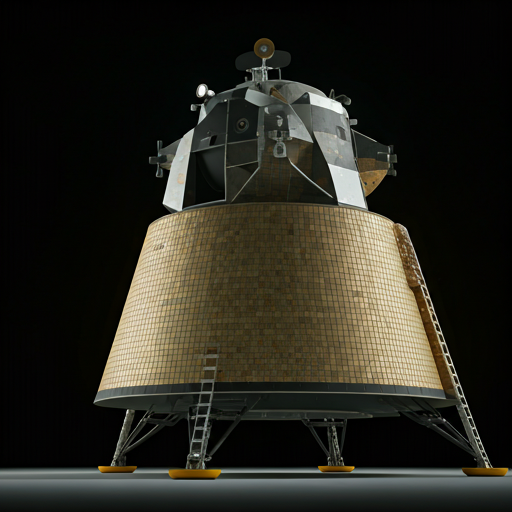
 The landing site was chosen for its relative flatness, though the Eagle had to dodge a boulder field in the final seconds of descent.
 The landing site was chosen for its relative flatness, though the Eagle had to dodge a boulder field in the final seconds of descent.